

How to stormproof your garden
25 September 2025With the cooler months approaching, it’s the perfect time to make sure your garden is prepared for unpredictable weather. A little planning goes a long way in protecting your plants, shed, and tools, while giving you peace of mind.
From securing garden furniture to strengthening shed roofs, we’ve put together practical tips to help your garden stay safe through any storm.
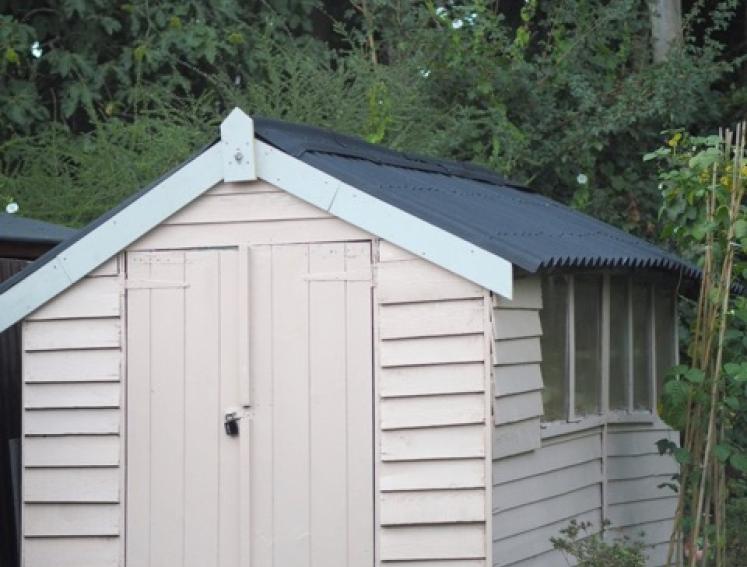
Strengthen your shed
Start by keeping the roof clear. Fallen leaves, twigs, and moss can build up surprisingly quickly, holding onto moisture and causing water to pool, which may lead to leaks or further long-term damage. A simple sweep with a long-handled brush or rake is often all it takes to keep things tidy. And for those tricky corners, a leaf blower can make the job quick and easy.
Then give your shed a thorough once-over for any gaps or damage, checking the roof, walls, doors, and windows. Seal cracks and gaps with caulk and repair any warped timber.
If your roof is looking worn or damaged, it’s a good idea to repair or replace it to avoid any further issues. Our ONDULINE EASYFIX sheets are a premium upgrade to traditional shed felt, providing a durable roofing solution that ensures your shed roof is weatherproof, even in stormy weather.
They’re lightweight yet durable, making them easy to handle and quick to install, with no need for specialist tools. Available in six contemporary colours and backed by a 10-year warranty, they give your shed a sleek, modern finish that will look fresh while keeping everything inside safe and dry for years to come. For more details about how to install ONDULINE EASYFIX sheets you can find our easy-to-follow guide here.
Loose nails or fasteners can also cause trouble, especially once stormy weather begins, so be sure to tighten or replace them where needed to keep your roof safe and secure. If you happen to spot any sagging along the roofline, that could be a sign of something more serious, like water damage or a structural issue. In that case, it’s best to call in a professional for advice.

Protect your plants
Tough storms can damage even the most robust plants, so a little extra care can go a long way. Move delicate pots and plants under cover or place them close to a wall for shelter, and group larger pots together in a well-protected corner to help keep them safe from strong winds.
Taller shrubs and young trees benefit from gentle staking for some extra support during more volatile weather to help prevent them from breaking or collapsing. Before this, check for any weak, dead or damaged limbs and prune where necessary so they don’t fall and cause damage during a storm.
It’s also worth keeping an eye on moisture levels, raising pots or using waterproof trays can prevent waterlogging during heavy rainfall to help avoid potential root rot.
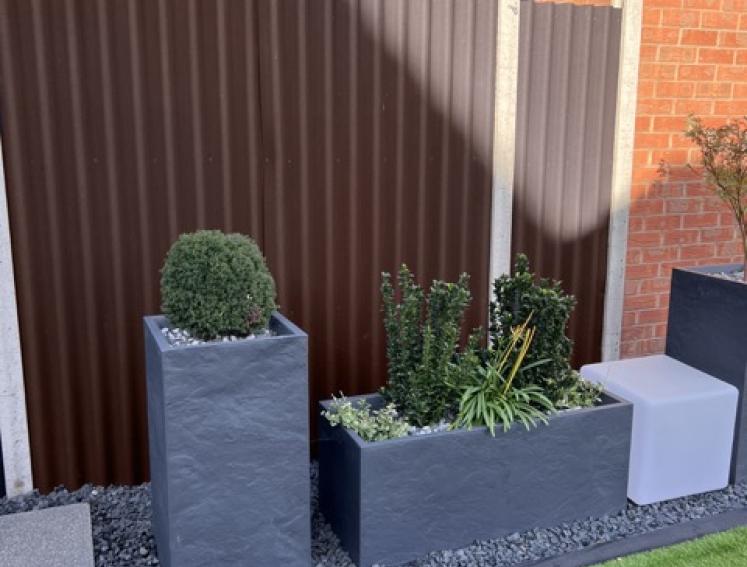
Take care of your fencing
Fences often take the full brunt of high winds, and one loose panel can quickly turn into a domino effect. Before storm season, walk along your fence line to check for wobbling posts or panels that are starting to rot. Reinforce posts with concrete or metal spikes if needed and replace any weak sections before they become a bigger problem.
If you’re looking to upgrade your fence and add some style as well as protection, ONDULINE CLASSIC sheets are the perfect solution. Made from approximately 50% recycled materials and simple to install, you can add extra strength to your fence with these robust bitumen sheets before storms hit - without the need for any DIY expertise. You can find a full guide with all the details on how to install ONDULINE CLASSIC sheets on fencing here.

Secure garden furniture
Lightweight furniture can become dangerous during high winds, so store tables, chairs, and smaller planters in your shed or garage if you can. If safe storage isn’t an option, it’s a good idea to tie things down where possible to avoid any damage.
Heavier items can be grouped together in a sheltered spot to reduce movement, while larger furniture that has to stay outside will benefit from a protective cover. This keeps it safe from heavy rain while also helping to reduce the risk of it shifting and damaging other areas of your garden.
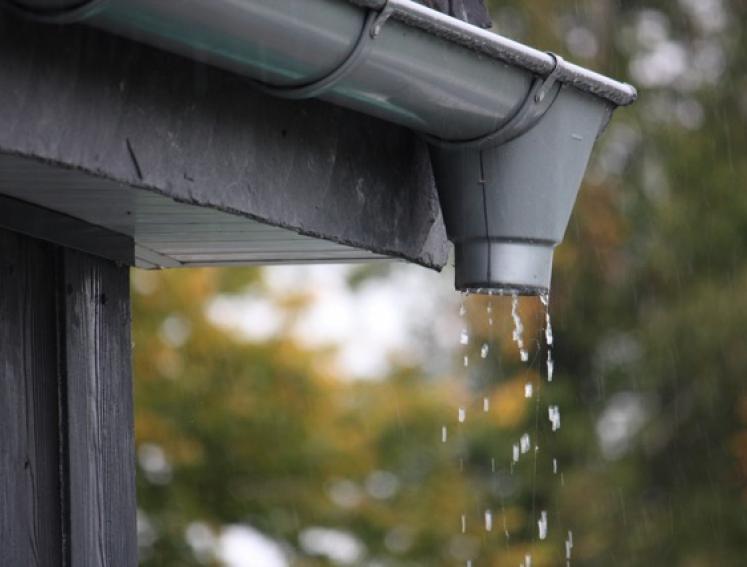
Check your drainage
Blocked gutters, poor drainage, or loose debris can all add to storm damage, so it’s worth giving this area some extra attention, too. Before the weather turns, clear out leaves, moss, and dirt from gutters and drains to make sure water can flow freely away from your shed and planting beds.
Standing water not only risks flooding but can also weaken foundations and leave plants sitting in soggy soil. If you know your garden is prone to puddles, consider laying gravel or bark mulch in trouble spots to help soak up excess rain.
It’s also a good idea to check water butts and downpipes, make sure they’re secure and not likely to overflow in a heavy downpour. A well-positioned water butt can even turn storm rain into a handy resource for your garden on drier days.
Storms don’t have to spell disaster for your garden and with a little forward planning, you can help to minimise damage and keep your outbuilding, belongings and plants safe during adverse weather.
Weekend Project Inspo!
Looking for some weekend inspiration? Our blog page is the perfect place to ignite your creativity and kick-start your garden projects! Whether you're a seasoned gardener or just starting out, we offer step-by-step guides, unique DIY ideas, and helpful tips that will transform your outdoor space.
