
As the trend towards a ‘greener’ built environment gathers pace, roofing contractors and architects are being challenged to provide additional habitable space, but by using ever more eco-friendly methods and materials.
Here, Greg Hissey, Technical Sales Manager for Onduline Building Products, explains why ‘less is more’ and that an answer can be found with low pitch tiled roofing.
For some time now the construction industry has been embracing the challenge of building in as environmentally friendly way as possible. From one end of the supply chain to the other, new materials, advances in technology, improvements in design and ways of working are contributing to better, ‘greener’ buildings.
But the pressure will only increase as deadlines and the practicalities around climate change come closer.
Coupled with a growing population and rising demand for homes, how will that eco-compliant extra living space be found? And where will the opportunities be for roofing contractors and architects?

Height restrictions
There has been some good news with the government, as part of its drive to get the economy going again, announcing proposed changes in planning law. Among these is a proposal to encourage owners to create extra space on top of existing properties, along with switching redundant commercial buildings to housing.
We still need to see the detail, in particular how these new rules will be implemented in major cities where there are restrictions on the height of buildings. But this is where secondary roofing under a low-pitched tiled roof can provide a solution. Thanks to advances in recent years it is no longer the preserve of home and garage extensions, although these will continue to be a good source of income for roofers.
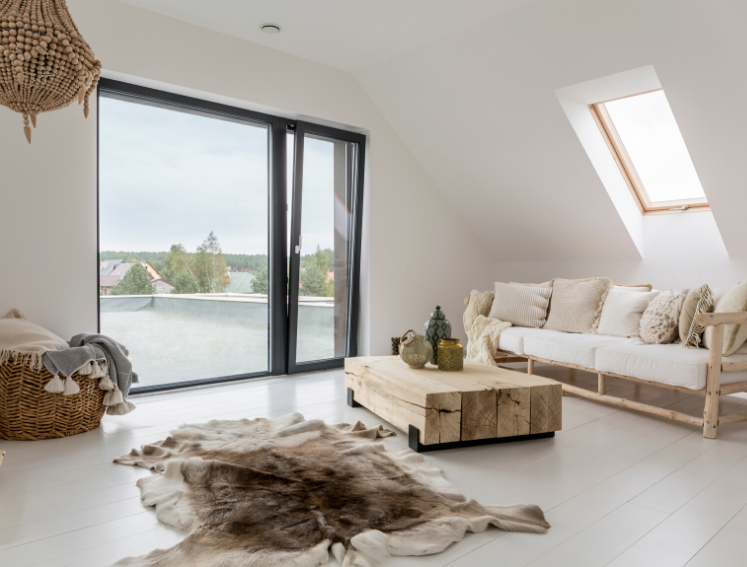
Extra living space
Properly installed, with the right ‘under roofing’, or underlay, it can answer the question of providing additional space on taller buildings while adhering to planning regulations as they currently exist, and also meeting the ‘green’ agenda.
It is a great selling point for roofing contractors and architects, being able to tell the client ‘we can improve your original project by adding additional habitable space’ and without harming the visual environment.
Secondary roofing
The key to this is a secondary, or ‘roof under a roof’, that enables the primary tiled roof to be used safely below the tile manufacturer’s minimum recommended roof pitch, which is possible with ISOLINE roofing underlay systems from Onduline. With the ISOLINE ONDUTILE system for example, depending on the tiles used, the pitch can be as low as 12.5º.
We recently managed to encompass an extra floor of apartments on a three block site, and stay within local height restrictions, by reducing the pitch of the roof, which provided additional valuable living space.
Simple to install
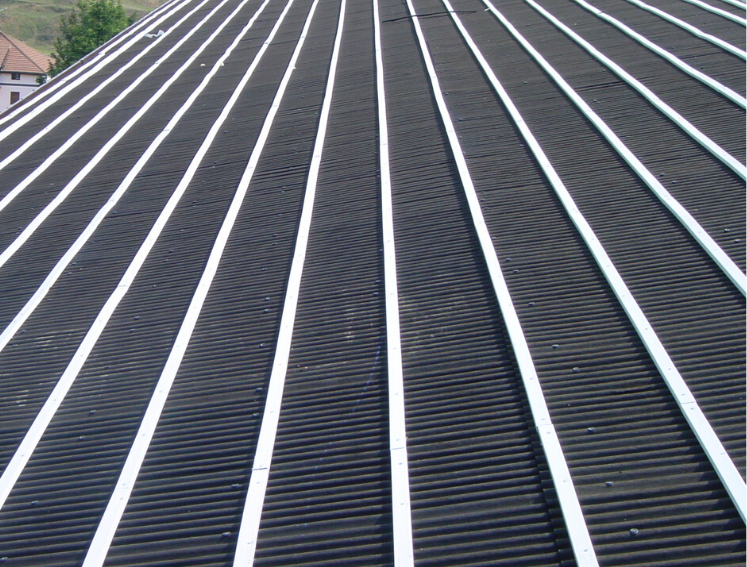
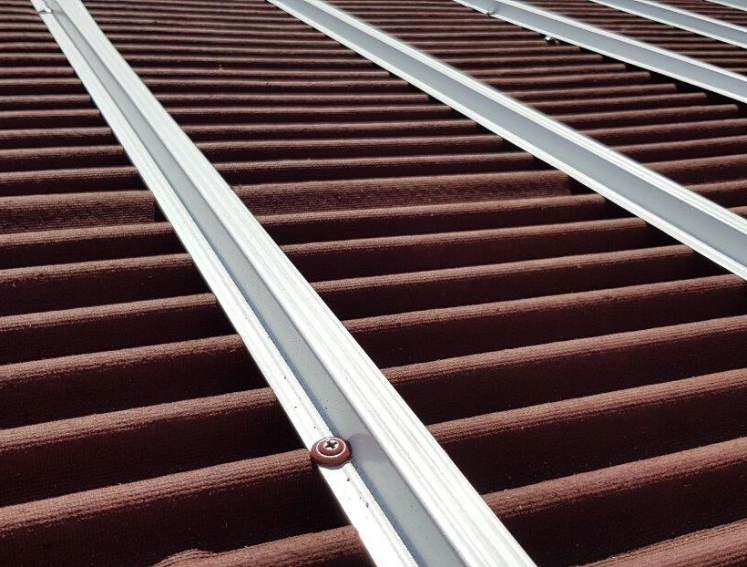
Our roof underlay systems are simple to install bituminous corrugated underlay sheets that form a secure waterproof layer under traditional tiled roofs. Unlike with breathable membranes, any water that does get in is channelled away to the guttering.
ISOLINE LOW LINE is an underlay option that provides the added benefit of having 24mm high corrugations making it an ideal solution for very low-pitched roofs. These systems provide a perfect waterproof barrier against potential water ingress that may happen over time through a breach in the primary roof covering and can be used under concrete, slate or clay tiles. The tiles, in effect, become purely aesthetic.
Sustainable benefits
ISOLINE roofing underlays also meet the architects’ need to offer sustainable solutions, as the material is made of a minimum 50% recycled cellulose fibres, contains no asbestos and does not release any hazardous substances. Also, it has BBA certification and is guaranteed weather-proof for 30 years.
In areas such as the North East, South West and Wales, where there is a predominance of slate roofs on older style and heritage properties, the potential opportunities for this type of system are huge.
With the extremes of weather that we are seeing more frequently, with periods of heavy rain and storms, having a water tight property has become increasingly important.
We have had calls where two layers of breathable felt have been put down to form the barrier but it is an out-dated technique that is not viable and does not work effectively. It also does not meet planning regulations.

For construction companies bituminous corrugated roofing underlay sheeting also has the benefit that it does not break down under UV exposure. Whereas before the Coronavirus crisis roofs would be completed quickly and this was less of a problem, with the current slowdown many buildings have been left for months untouched without a finished roof.
With a durable bituminous secondary roofing system, construction companies can be confident the building will have been protected even during a period of down time and that their group of trades can move in safely for the second fix.
New opportunities
With architects under pressure to look for innovative ways of providing extra living space through solutions that also meet ‘the green agenda’, the trend towards low pitch roofs with eco-friendly secondary roofing was already building.
Now with the government taking another look at planning rules, this is adding to the momentum and presenting roofing contractors with fresh opportunities that will be good for business and also help get Britain building again.
View our product page for more information on Onduline’s lightweight, eco-friendly and durable roofing solutions.