

The Evolution of Low-Pitched Roofing
05 November 2024Low-pitched roofing has long been considered a complex and challenging domain within the roofing industry. Historically, it posed significant challenges, particularly around water leakage and limited material options.

Modern advancements
However, modern advancements in roofing materials, design, and installation techniques have transformed the way architects, roofing professionals, and contractors perceive low-pitched roofs.
Paul Duffy, Managing Director for Onduline Building Products, explores the evolution of low-pitched roofing, the key challenges it has faced, and the innovations that are shaping its future.
Challenges
The primary challenge with low-pitched roofs has historically been water management. With less slope to direct water runoff, rain and snow are more likely to pool, leading to water leakage and damage. Traditional materials, particularly those designed for steeper pitches, often proved ineffective at waterproofing low-pitched roofs, resulting in costly repairs and reduced longevity.
For much of the 20th century, material options for low-pitched roofing were limited. Asphalt shingles, clay tiles, and even thatch were not suited to the demands of shallow slopes, and flat roofing materials like tar and gravel were prone to cracking and deterioration. This further restricted the adoption of low-pitched roofs, as property owners were hesitant to opt for materials that did not offer the same durability and weather resistance as those available for steeper pitches.
Aesthetics & functionality
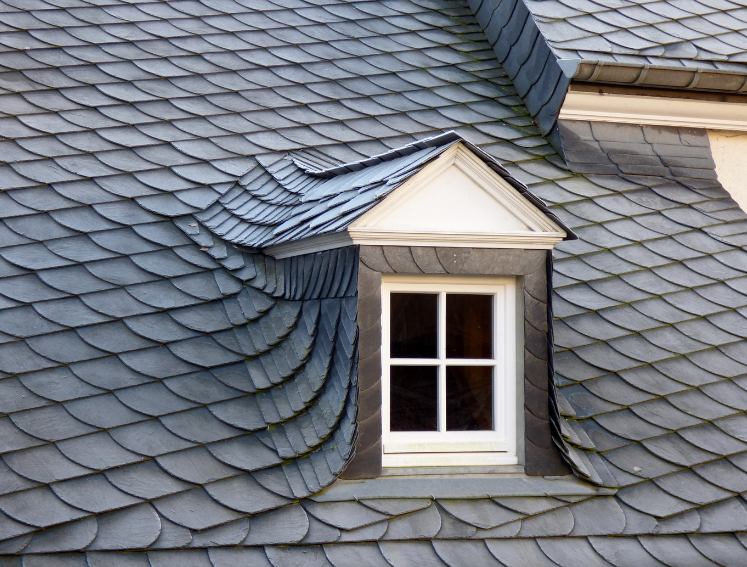
Another factor contributing to the historical underutilisation of low-pitched roofs was the trade-off between aesthetics and functionality. While low-pitched roofs could lend a sleek, modern look to a building, they often required frequent maintenance and repairs to address water pooling, leakage, and weather-related wear. As a result, many architects and contractors opted for steeper roofs, prioritising practicality over design.
These factors made low-pitched roofing a niche market. However, the rising demand for more innovative and flexible roofing solutions, coupled with growing environmental awareness, paved the way for the introduction of systems that are capable of meeting the demands of low-pitched roofing designs.
Modern innovations
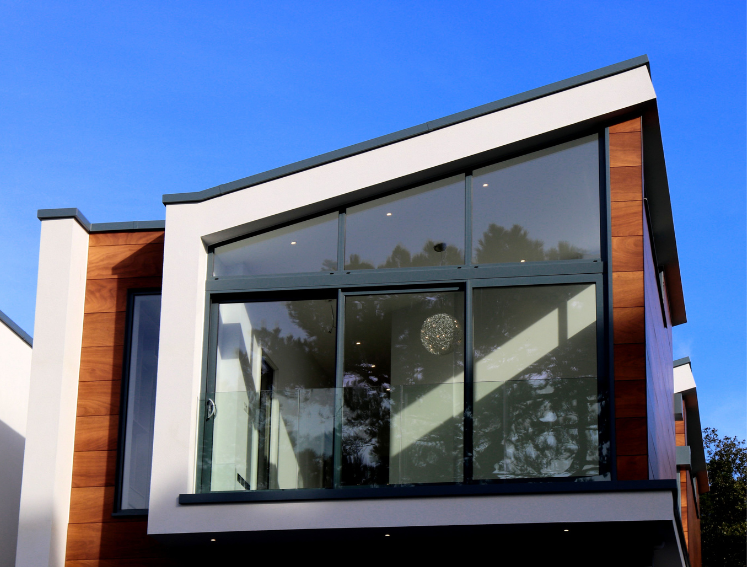
Recent advancements in roofing technology have addressed many of the historical challenges associated with low-pitched roofing. New materials improved waterproofing solutions, and better installation techniques have significantly enhanced the viability of low-pitched roofs, making them an attractive option for a wide range of projects.
One of the most significant innovations driving the resurgence of low-pitched roofing is the development of advanced materials specifically designed to withstand the unique demands of shallow slopes. Modern membranes, such as single-ply systems, are highly durable, flexible, and waterproof, offering superior protection against water ingress.
EPDM (Ethylene Propylene Diene Monomer) and TPO (Thermoplastic Polyolefin) are two examples of high-performance synthetic rubber and plastic-based materials that are now widely used in low-pitched roof applications. These materials are not only highly resistant to UV radiation, temperature fluctuations, and weathering, but they also provide excellent insulation, contributing to energy efficiency in buildings.
ISOLINE LOW LINE
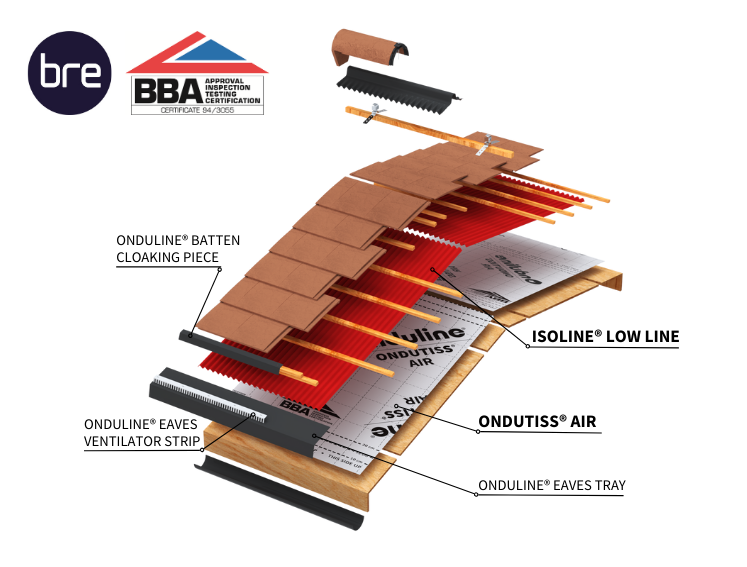
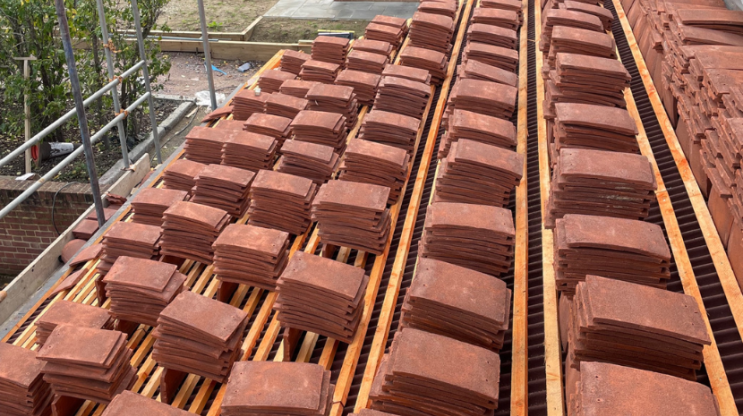
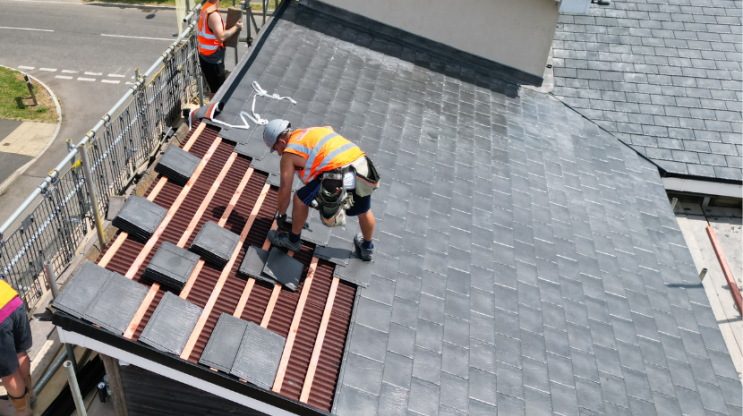
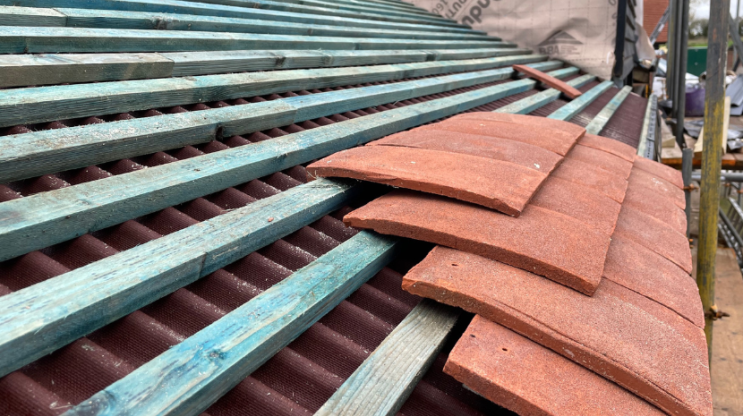
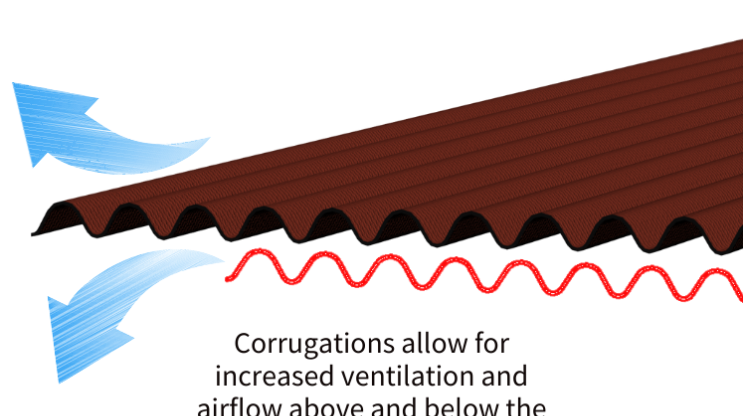
Furthermore, the development of sub-roof systems that combine both durability and ease of installation, such as Onduline’s ISOLINE LOW LINE solution, are another example of how innovation is transforming this once-challenging area of roofing.
Designed specifically to be installed beneath any roof tile at a pitch as low as 10 degrees, ISOLINE LOW LINE addresses the key issues of water leakage that have historically plagued low-pitched roofs. The bituminous nature of the system offers superior waterproofing properties compared to traditional roofing materials, ensuring that water infiltration is prevented even under extreme weather conditions. Additionally, its compatibility with all roof tiles makes it a versatile choice for new builds, renovation, and heritage projects alike.
Improved installation techniques
Proper installation is critical to the performance of low-pitched roofs. In the past, poor installation practices often exacerbated water leakage issues, even when suitable materials were used. Today, modern installation techniques have significantly improved, ensuring that low-pitched roofs can be installed with the same confidence as steeper roofs.
For instance, liquid-applied roofing systems, which involve applying a seamless membrane directly to the roof surface, have become a popular solution for low-pitched roofs. These systems eliminate the seams and joints that were traditionally weak points in roofing systems, reducing the risk of leaks and improving the roof’s overall durability.
The development of self-adhering and heat-welded roofing membranes has also revolutionised installation practices. These methods provide a watertight seal and are quicker to install than traditional systems, making them ideal for both new constructions and refurbishments.
Refurbishments and heritage projects
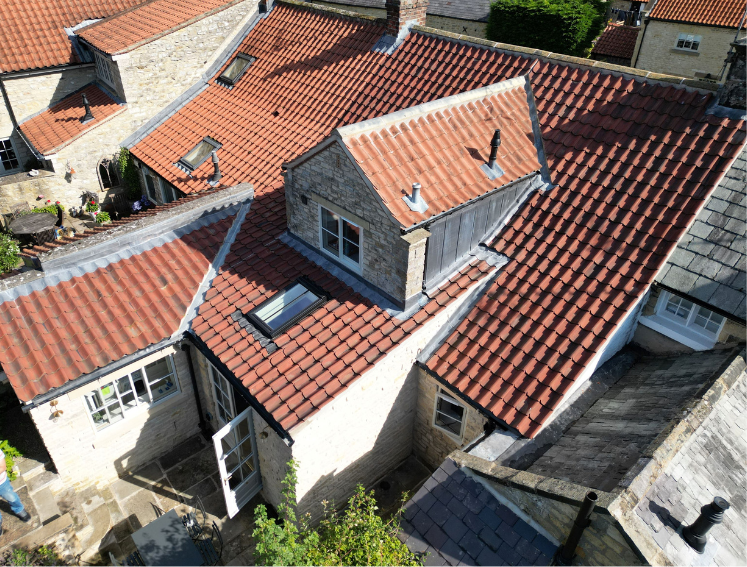
The innovations in low-pitched roofing materials and techniques are not only benefiting modern architectural projects but are also finding applications in refurbishments and heritage restorations. Many historical buildings feature low-pitched, or even flat roofs, and preserving these structures while ensuring they meet modern building standards requires careful attention to roofing solutions.
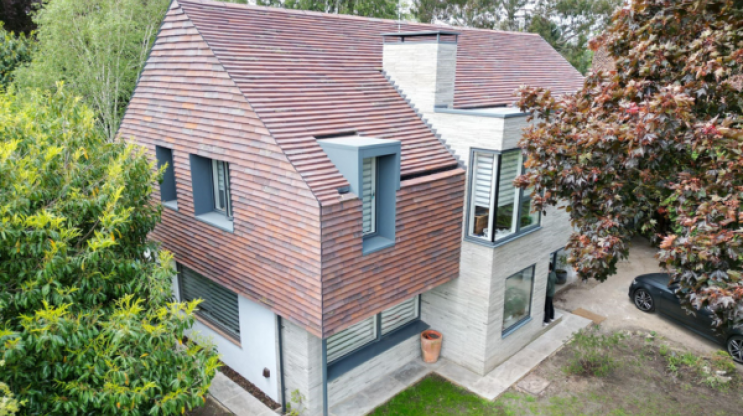
In heritage projects, maintaining the visual integrity of the building is often a top priority. Advances in roofing materials, such as clay and slate alternatives that mimic the appearance of traditional materials while offering modern performance benefits, are helping to ensure that low-pitched roofs on historic buildings can be restored to their former glory without compromising on durability or weather resistance.
Niche design choice fraught with challenges
For new builds, particularly those with contemporary or minimalist designs, low-pitched roofs are becoming increasingly popular. The combination of sleek aesthetics, improved functionality, and the ability to incorporate sustainable technologies makes them an attractive option for architects and developers seeking to create modern, eco-friendly buildings.
Low-pitched roofing has come a long way from its origins as a niche design choice fraught with challenges. Thanks to innovations in materials, installation techniques, and sustainable technologies, low-pitched roofs are now a versatile and durable option for a wide range of construction projects. As the roofing industry continues to evolve, low-pitched roofs will undoubtedly play a key role in shaping the future of architectural design, offering both aesthetic appeal and practical benefits for roofing professionals, architects and contractors alike.

CONTACT US
- Are you in need of a cost effective waterproofing solution for a refurbishment project?
- Do you often come across situations where the chosen tile for your project restricts your design and overall aesthetic due to pitch limititations?
- Are you in need of a waterproofing solution that enables you to keep the original historical look and aesthetics of a building?
ISOLINE LOW LINE is the solution...
Our team of experts are available to assist you, email: [email protected] or call us on 0207 727 0533.
