

How to prepare your shed for autumn and winter
02 October 2026After a long, hot summer, autumn can feel like a welcome change. But following prolonged periods of intense heat and little rainfall, your garden and outdoor buildings may need a little extra attention now the wetter, colder months have arrived.
From dry, cracked ground and stressed plants to roofing materials exposed to strong sunlight and high temperatures, this summer’s weather may have taken its toll. As the seasons change, now is a good time to give your shed or outbuilding a thorough check and make sure it’s ready for whatever the UK weather brings next.
Here are some simple steps to help prepare your shed for autumn and winter.
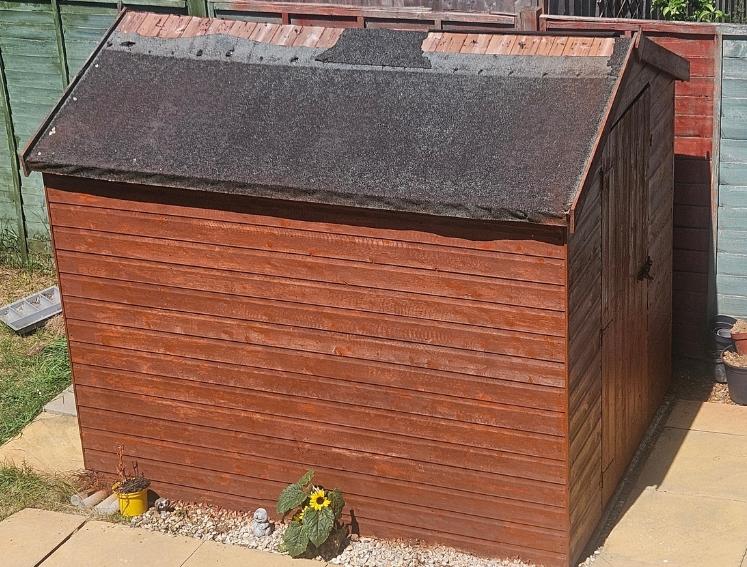
Check your shed roof for damage
After months of exposure to heat, sunlight and changing temperatures, your shed roof is a good place to start.
Take the time to inspect the roof for any signs of damage or deterioration, including cracks, splits, loose fixings or areas where the roofing material has become worn. It’s also worth checking for any areas of sagging, which could indicate an issue with the underlying structure or water damage.
Dealing with problems now can help prevent a small repair from becoming a bigger issue later in the season.
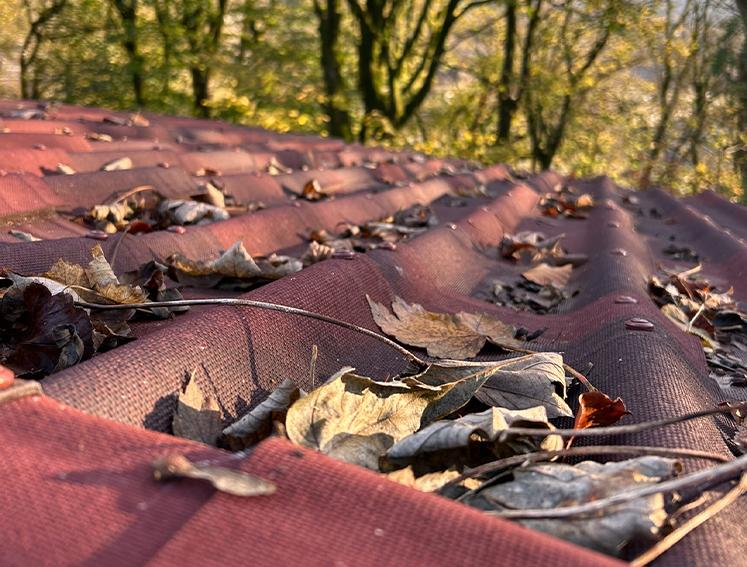
Clear away leaves and debris
As autumn arrives, falling leaves, twigs and other garden debris can quickly build up on your shed roof.
Clearing debris regularly can help prevent water from collecting on the roof, particularly around gutters and other areas where leaves can accumulate. Wet leaves can also become heavy, putting additional strain on the roof.
A long-handled brush or leaf blower can help clear lighter debris. If your shed roof is difficult or unsafe to access, take care and consider whether professional help is more appropriate.
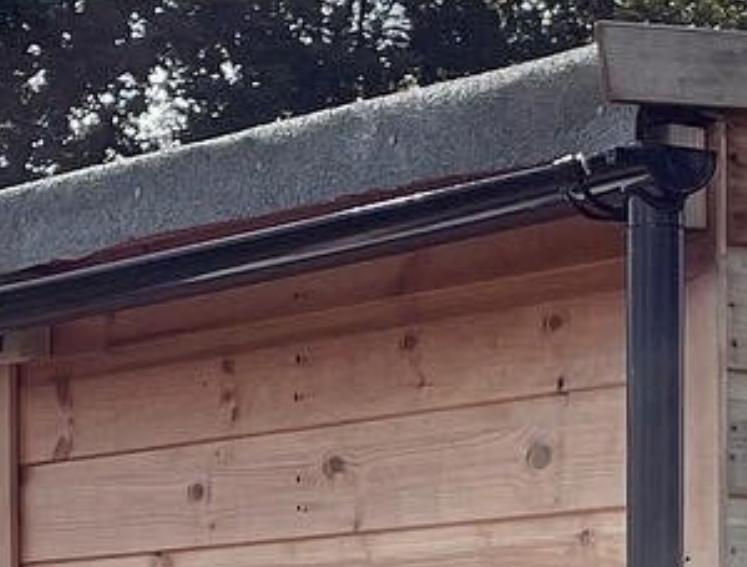
Check your gutters and drainage
If your shed or outbuilding has gutters, autumn is a good time to make sure they’re clear and working properly.
Leaves and debris can block gutters and downpipes, preventing rainwater from draining away as it should. Blocked or overflowing gutters can allow water to run down the walls of your shed, potentially contributing to damp and water damage.
Remove any visible debris and check for cracks, leaks or loose sections. Make sure downpipes are also directing water away from the building and its foundations.
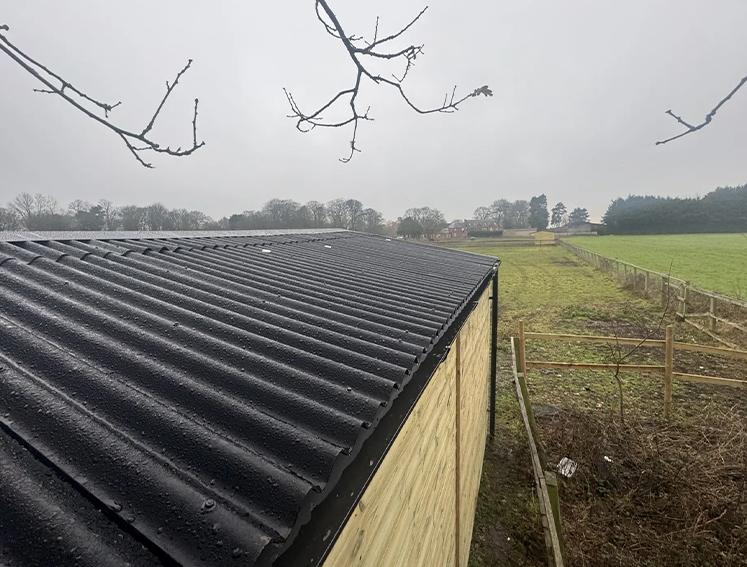
Make sure your roof is ready for wetter weather
After such a dry summer, waterproofing might not have been top of your list of priorities. But as the weather becomes wetter, a watertight roof is essential for protecting both your shed and everything stored inside it.
If your existing roof is showing signs of wear or damage, autumn can be a good time to consider replacing it before the worst of the weather arrives.
Our range of lightweight roofing sheets can be used on a wide range of sheds and outbuildings. Lightweight and easy to install, they require no specialist tools and offer a simple way to give an older building a new lease of life.
It’s also important to consider ventilation. Good airflow can help reduce condensation and moisture build-up, helping to protect the roof structure and contents of your shed.
Check the shed itself
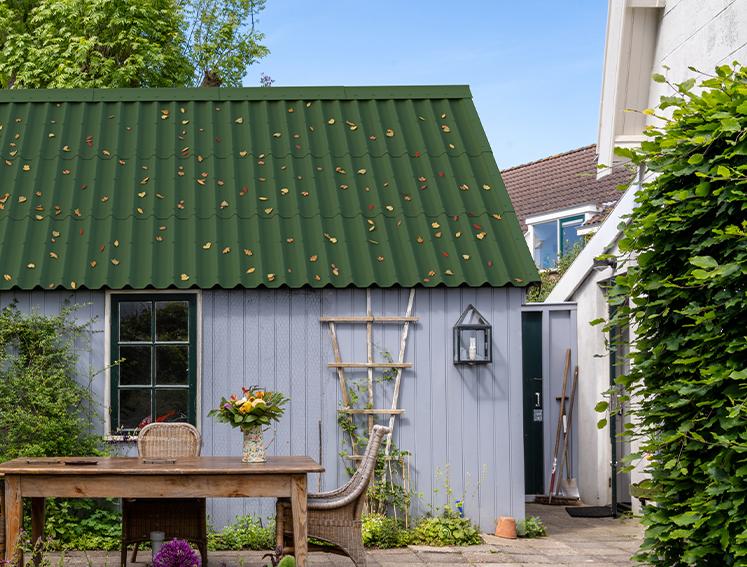
The roof isn’t the only part of your shed that can suffer after a summer of extreme weather.
Look at the walls, doors, windows and floor for any signs of damage, damp or movement. Wooden sheds may benefit from a fresh coat of suitable treatment or preservative if the existing finish has become weathered.
Check that doors and windows close properly and look for gaps that could allow rain or draughts inside. If your shed has a wooden floor, check for signs of rot or moisture damage, particularly around the edges and corners.
Trim back overhanging branches
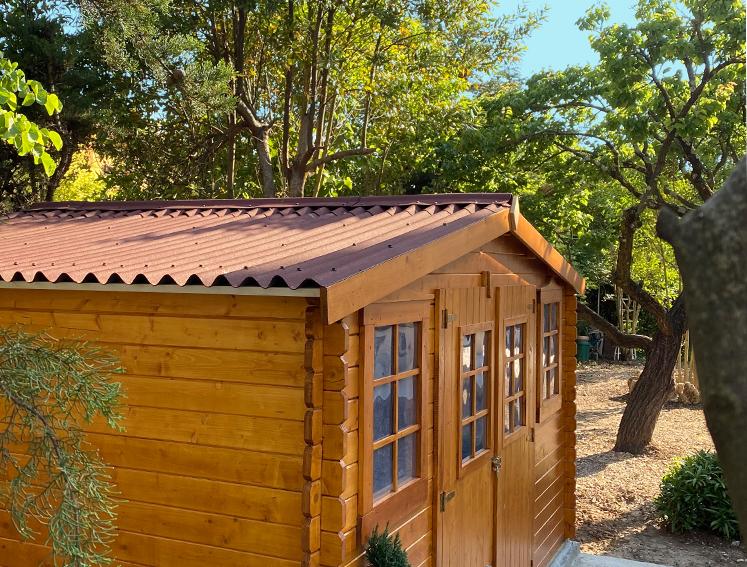
If your shed is positioned beneath or close to trees, now is a good time to look at any branches hanging over the roof.
Autumn and winter winds can cause weak or overhanging branches to fall, potentially damaging your shed roof. Trimming them back can reduce this risk, while also reducing the amount of leaves and debris that land on the roof.
Always take appropriate care when cutting branches, particularly if they are large or difficult to reach, and seek professional help where necessary.
Think about ventilation
As temperatures fall and the air becomes damper, condensation can become a problem inside sheds and outbuildings.
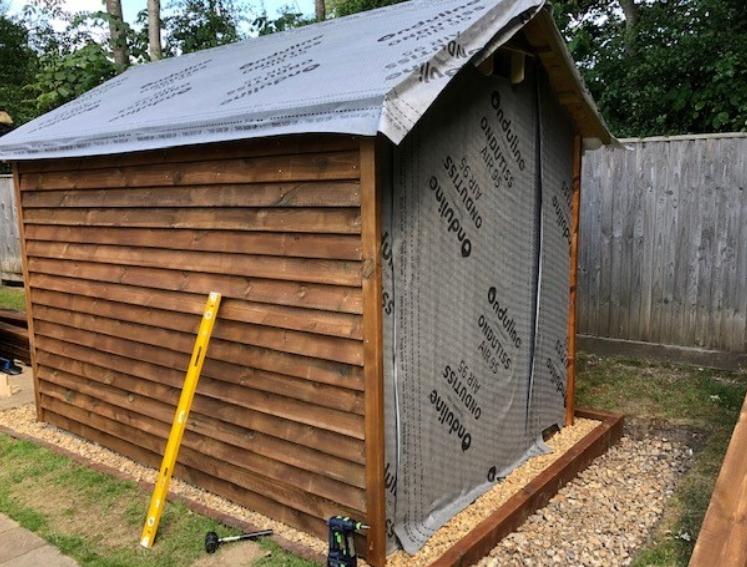
Good ventilation helps moisture escape and allows air to circulate, reducing the risk of damp, mould and timber rot. Check that existing vents are clear and haven’t become blocked by leaves or debris.
If you’re replacing or upgrading your roof, breathable membranes such as ONDUTISS AIR can help support a well-ventilated roof space and are available in a range of grammages to suit different applications.
Get your shed ready before winter arrives
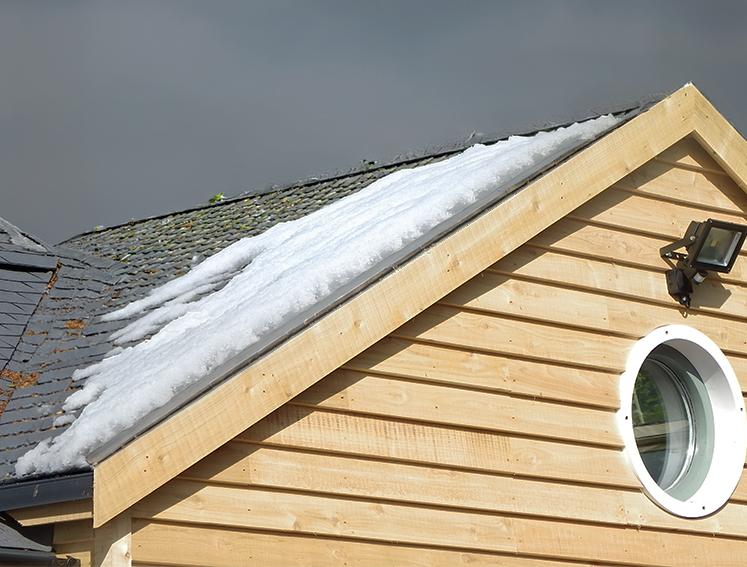
After a summer of extreme heat and limited rainfall, your garden may be ready for the cooler, wetter months ahead - and your shed should be too.
Taking a little time now to inspect, clean and maintain your shed can help you spot potential problems before they become more serious. From checking the roof and clearing gutters to trimming branches and improving ventilation, a few simple jobs can help keep your outbuilding dry and secure.
Onduline roofing for your garden building
If your shed roof has seen better days, our range of lightweight roofing solutions can provide a practical way to repair or replace it. Easy to handle and available in a range of options, there’s a solution for a wide variety of garden buildings and DIY projects.
Ready to prepare your shed for the months ahead?
Find your nearest Onduline stockist here or find your local store
