

Guest Blog: Instagram’s @ourdaleyhome on designing a multifunctional garden
25 September 2025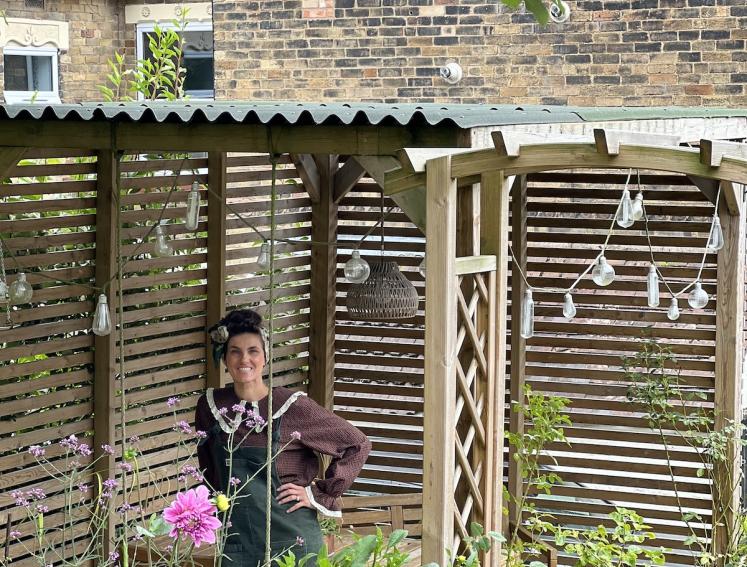
My garden design story
When I first started gardening, my main focus was just getting things to grow.
I began with vegetables, the excitement of picking something I’d grown myself was what got me hooked. From there, I moved on to flowers, filling the garden with colour and experimenting.
But after a while, I realised it isn’t only about what you plant. The real shift came when I started to think about the space itself, how it worked and how I could shape it into somewhere that felt good to spend time in, not just somewhere to grow things.
A garden can be a place to relax, entertain, grow food, or encourage wildlife, often all at once. The challenge is making those different uses work together in one space.
When designing my garden, I realised it didn’t need to be everything all at once. What mattered was giving it balance and a sense of purpose. These are the five things that made the biggest difference.
Think about real life first
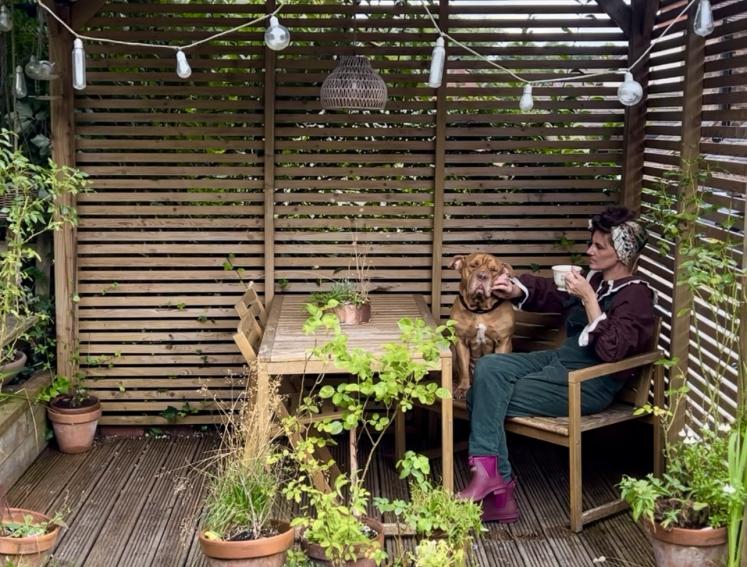
It’s easy to get carried away with Pinterest ideas and magazine gardens, but the best starting point is how you actually use your garden. For me, it’s enjoying cuppas outside whenever I get the chance and having a growing space that feels like a little escape from everything else, so I wanted that to work together.
And if you’re not sure what you want from it yet, just spend time out there. Notice where you naturally end up sitting, which spots get the best light, or where you feel most relaxed. Those are often the places to build on.
Break it into zones
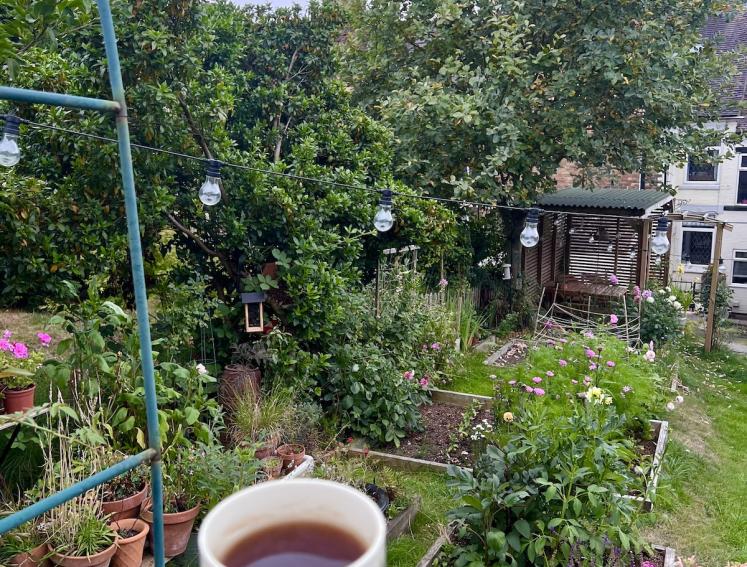
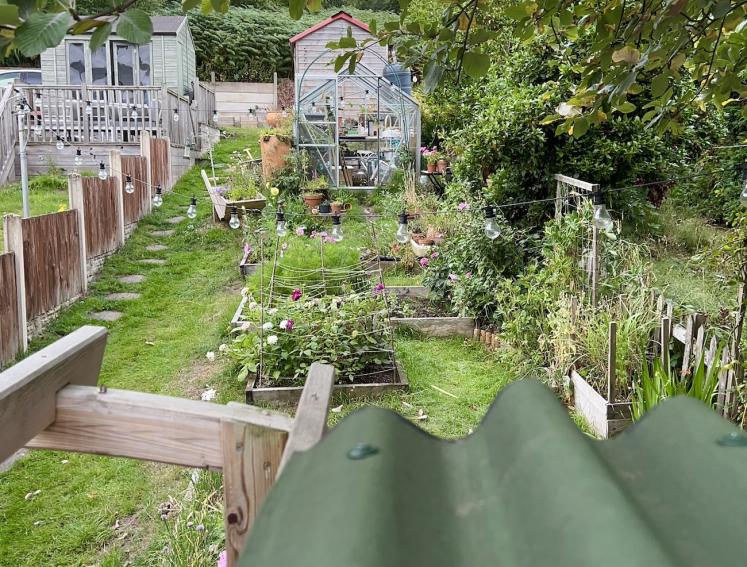
Once you know how you want the garden to work, it helps to split it into different areas. A corner set aside for sitting, a space for planting, each with its own focus.
These don’t need hard boundaries; just a change of surface, a planter, or a focal point is often enough to give a zone its purpose while keeping the garden flowing as one space.
Choose features that work hard
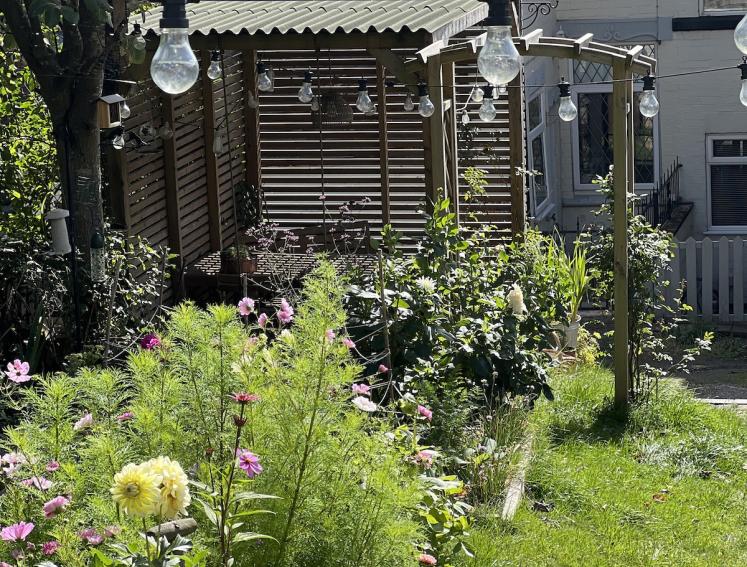
I’ve found the best features are the ones that do more than just one thing. A pergola, for example, gives height and structure, frames a seating area, and carries climbing plants.
With ONDULINE CLASSIC roofing sheets in green on top, it’s also become a sheltered space I can use comfortably whatever the weather. I like knowing it’s made from 50% recycled content too, and the sheets do a great job of keeping the space watertight while softening noise from rain.
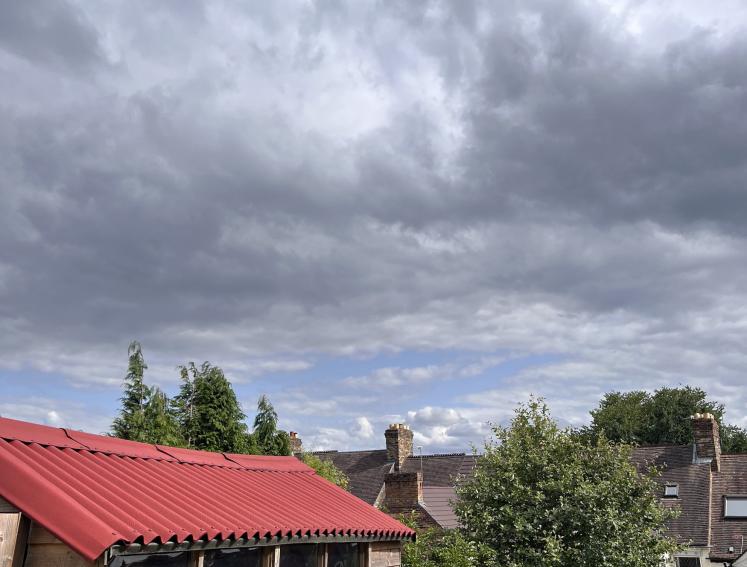
The same goes for the shed. Instead of it fading into the background, I wanted it to feel like a feature, so I used ONDULINE EASYLINE sheets in red for the roof. They added a bold splash of colour as well as an extra layer of protection.
The materials used do not emit any dangerous substances into the atmosphere during installation or throughout its life cycle. There are no sharp edges, which again make it completely safe and suitable for DIY projects, and there is the added benefit that it will never rust.
Keep it practical
For me, the garden only really works when it feels manageable. It’s easy to get carried away and try to fit in too much, but that usually just makes it harder to look after.
Keeping things simple means, it stays enjoyable. This is where zones help again breaking the garden into clear areas makes it feel easier to manage and stops the whole space from becoming overwhelming.
Let planting pull it together
Planting is what softens the garden and makes it feel whole. It links the different zones together, so they flow as one space, without each part feeling separate.
A mix of structure and softer planting keeps it balanced, while pots make it easy to add or change things as the garden changes over time.
I’ve come to realise a garden doesn’t need to be perfect to be multi-purpose.
Mine certainly isn’t. But by keeping it simple, it’s become a place that feels balanced and worth spending time in.
You can find ONDULINE CLASSIC and ONDULINE EASYLINE roofing sheets at leading retailers, including B&Q and Wickes, making it easy to bring these versatile, durable materials into your own garden projects.