

The autumn shed checklist: 5 things to check after heavy rain
27 October 2026With autumn well underway, the recent heavy rain has certainly put our gardens, sheds and outdoor buildings to the test. While wet weather might put a stop to some of your weekend gardening plans, it can also highlight areas of your shed that need a little attention.
From spotting the early signs of a leaking roof to checking how well rainwater is draining away, now is a good time to give your shed an autumn health check before the harsher winter weather arrives. As roofing experts, we know that a little maintenance can go a long way when it comes to protecting your shed and everything stored inside. So, grab your wellies and work your way through our autumn shed checklist.
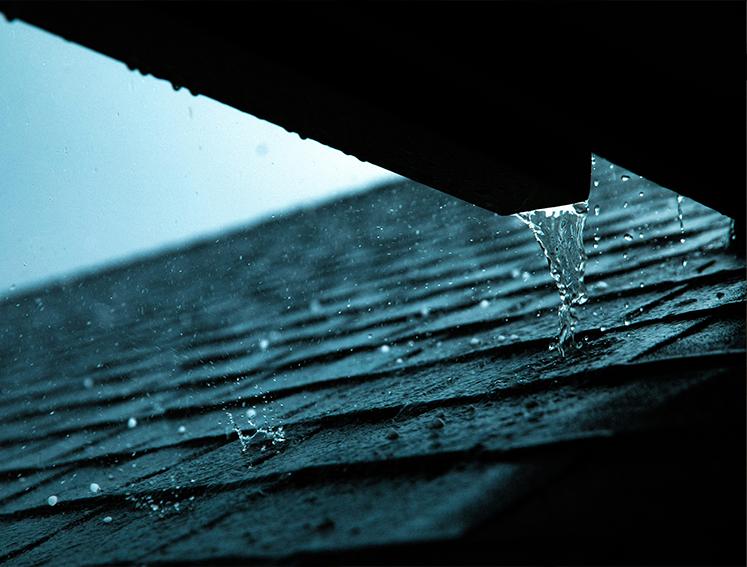
1. Look for tell-tale signs of a leak
Rather than waiting for a dry day to inspect your shed, take a look inside shortly after heavy rainfall.
Check the ceiling, walls and corners for damp patches, drips or discolouration that could indicate water is finding its way inside. Pay particular attention to joins, edges and areas around windows and doors.
It's also worth checking the items stored inside. Damp cardboard boxes, fabrics or tools showing signs of moisture can sometimes reveal a problem that isn't immediately obvious when looking at the shed itself.
Once you've checked for evidence of leaks indoors, inspect the roof itself from a safe position outside. Look for damaged or worn roofing materials and anything that appears to have moved or become loose.
A shed roof is your building's first line of defence against rain, so catching small leaks or signs of deterioration early gives you the opportunity to tackle them before repeated autumn and winter rainfall causes further damage.
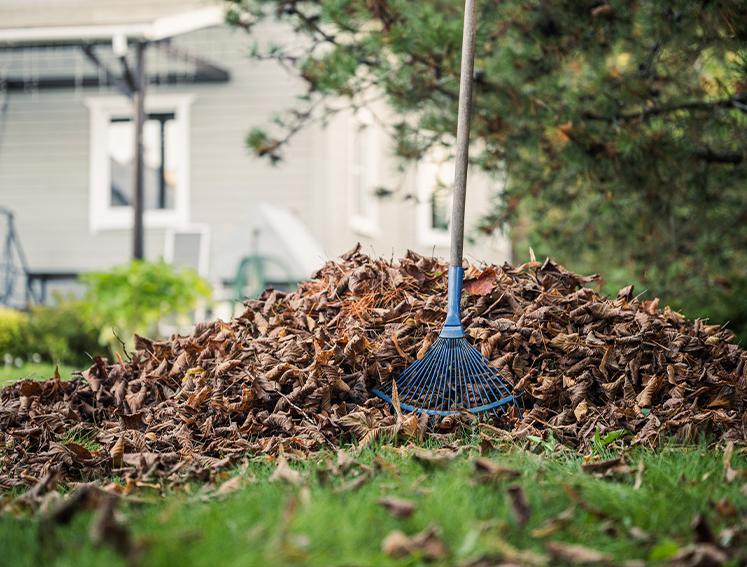
2. Check what's happening at ground level
It's easy to focus on the roof when thinking about keeping a shed dry, but don't forget to look down.
After heavy rain, walk around the outside of your shed and check whether water is pooling around the base. Ideally, rainwater should be able to drain away rather than sitting against the structure.
Clear fallen leaves and other debris from around the building, particularly anywhere they are collecting against walls or around drainage points. Take note of nearby trees and vegetation too and keep an eye out for anything that could cause problems as autumn progresses.
Inside, check the edges and corners of the floor for any dampness and make sure stored belongings aren't sitting somewhere they could come into contact with moisture.
If possible, keep vulnerable items such as cardboard boxes, soft furnishings and electrical tools raised off the floor on shelving or suitable storage units.
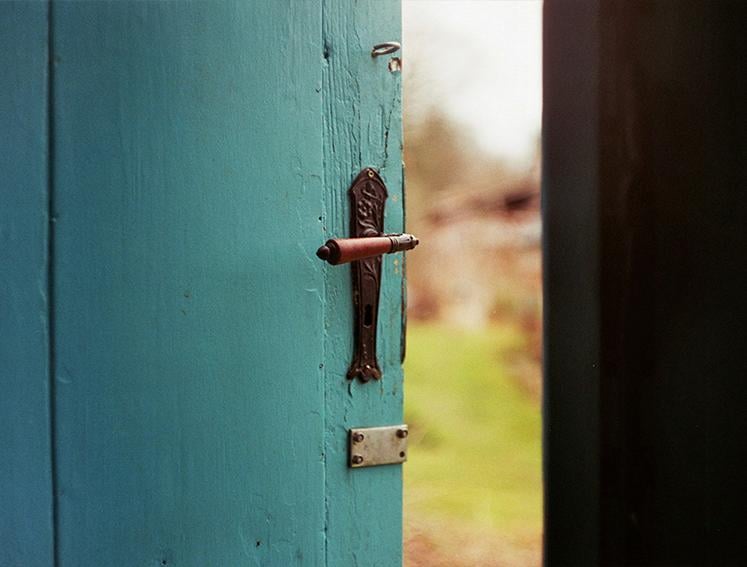
3. Give doors and windows an autumn check
Your shed door and windows work hard throughout autumn and winter, so add them to your checklist.
Check that doors close properly and inspect around frames for visible gaps or signs that rainwater is getting through. Wooden doors can swell or change slightly in damp conditions, so make sure locks, catches and hinges are still working as they should.
Take a look at window seals too. Addressing gaps now can help prevent wind-driven rain from getting inside when the weather becomes more unsettled.
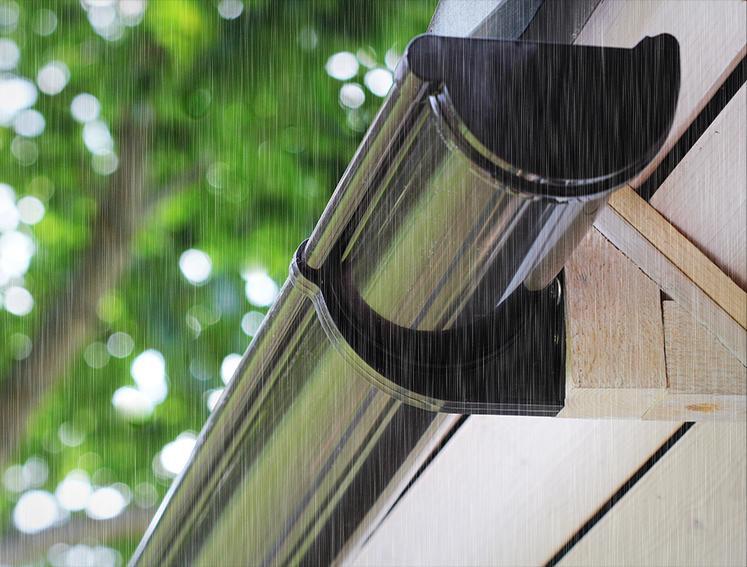
4. Check gutters during the rain, not just afterwards
Clearing leaves from gutters is a familiar autumn job, but a rainy day gives you the chance to see whether your shed's drainage is actually working.
From a safe position at ground level, look at where the water is travelling. Is it flowing through the gutter and downpipe as expected, or spilling over the sides?
Once the weather is safe and dry, remove any obvious blockages and make sure rainwater is being directed away from the shed.
5. Consider whether it's time to upgrade from felt
If your inspection has revealed that your shed roof is starting to show its age, it may be worth thinking beyond another temporary repair.
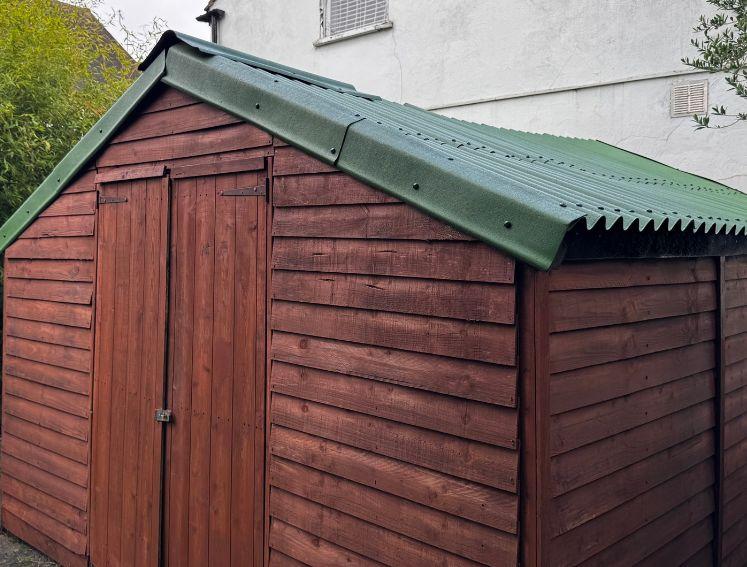
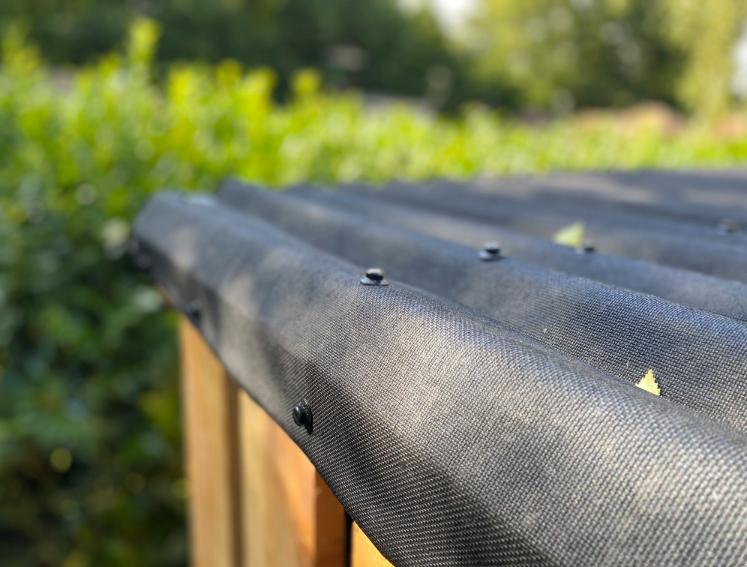
Traditional roofing felt is a popular choice for sheds because it's affordable and easy to install, but over time it can become susceptible to wear and tear. Corrugated bitumen sheets offer a more durable alternative, providing reliable protection against rain and other harsh weather while still being lightweight and easy to handle.
For smaller garden buildings, ONDULINE EASYLINE has been specifically designed with DIY projects in mind. Its compact, lightweight sheets are easy to transport, handle and install, while providing a reliable waterproof roofing solution backed by a 10-year waterproofing warranty.
Give your shed an autumn health check
Heavy rain isn't always welcome, but it can be useful for showing you exactly where your shed might need some attention.
Checking for leaks, looking at drainage, reorganising storage and taking care of small maintenance jobs now can help you head into the rest of autumn feeling confident that your shed and its contents are better protected.
And if your checks reveal that the roof needs more than a quick repair, Onduline offers a range of lightweight roofing solutions suitable for sheds and other garden buildings.
Ready to give your shed some TLC?
If you're interested in upgrading your roof, discover the durability and easy installation of Onduline roofing sheets for yourself!
Whether you prefer to purchase in person or from the comfort of your home, we've made it simple to get started:
