

After the downpours - is your shed roof still watertight?
03 March 2026Following weeks of heavy rain and sudden downpours across the UK, many homeowners have been checking gutters, driveways and fences for damage. But there’s one part of the property that often escapes attention - the garden shed.
When rain falls hard and consistently, even small weaknesses in a shed roof can quickly turn into leaks. And because outbuildings aren’t inspected as regularly as the main house, problems often go unnoticed until something inside gets wet.
Often, the first signs are subtle - faint damp smell when you open the door, a small drip after heavy rain, or stored items that don’t feel quite as dry as they should. By the time these symptoms appear, moisture has typically already penetrated the roof covering.
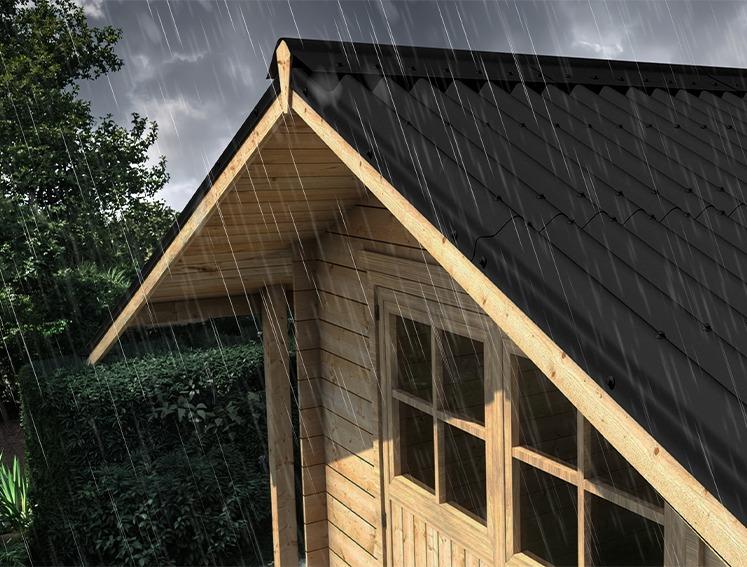
Why sheds are vulnerable in prolonged rain
Garden buildings typically have lighter, simpler roofing than houses. Over time, wind, UV exposure and changing temperatures can cause materials to lift, crack or loosen.
During periods of prolonged rainfall, like many parts of the UK have recently experienced, those minor weaknesses become much more noticeable. Rain doesn’t just fall vertically; strong winds can drive water sideways, forcing it into small gaps or under edges that normally appear sealed.
Common warning signs include:
Damp patches or drips inside
Soft or swollen roof boards
Water staining along joins
Musty smells or early mould growth
The hidden drawbacks of felt roofing
Many sheds are covered in traditional felt because it’s one of the most affordable roofing options available. It can provide basic protection, especially when new. However, its flat surface can create challenges during sustained heavy rain.
On low-pitched shed roofs, which are very common, water doesn’t always drain quickly. Instead, it can sit on the surface. Over time, this pooling can put pressure on overlaps and fixings, increasing the chance of water working its way underneath.
As felt ages, exposure to sun, frost and fluctuating temperatures can cause it to blister, shrink or crack. Small splits around nails or joins are often the starting point for leaks. While patch repairs may help in the short term, they don’t always address general wear across the whole roof.
After periods of exceptional rainfall, these weaknesses tend to become much more obvious.
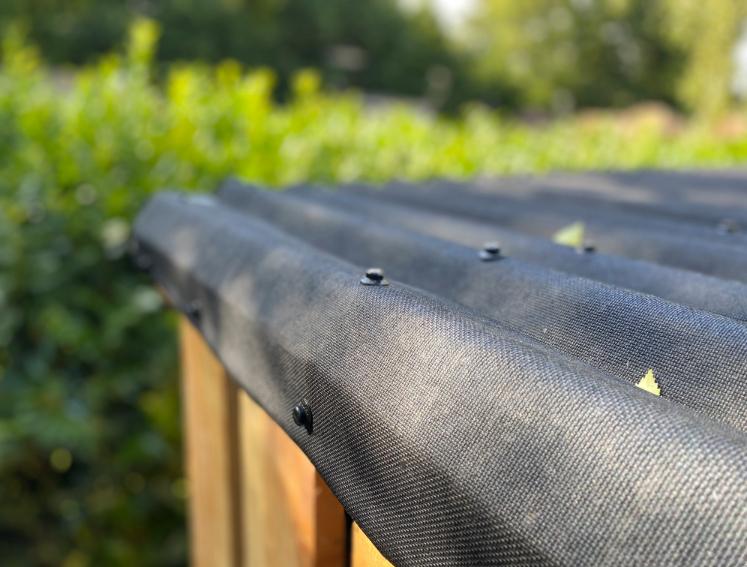
Why roof profile matters
When dealing with heavy rain, roof shape makes a real difference. Corrugated roofing sheets, those with a distinctive wave-like profile, are designed to help guide water down the roof slope rather than allowing it to sit.
The raised pattern encourages drainage, reducing the likelihood of pooling during prolonged downpours. Many corrugated sheets are made from bitumen-based materials, which are designed to repel water and cope with changing weather conditions.
Products such as Onduline’s bitumen corrugated roofing sheets are specifically developed for garden buildings and outbuildings, such as sheds, log stores, and pet enclosures, combining a profiled design with a durable, water-resistant construction. The result is a roofing solution designed to manage heavy rainfall more effectively than flat coverings.
Because they are thicker and more rigid than standard felt, they’re generally less prone to sagging or tearing over time. In many cases, they can also be installed over an existing shed roof, making them a practical upgrade option for DIYers.
A five-minute check today could save a headache tomorrow
With extreme weather events becoming more frequent, taking a few minutes to inspect your shed roof could prevent bigger problems later.
After heavy rain, look for:
Bubbling or lifted felt
Visible cracks or splits
Areas where water collects
Loose edges or exposed fixings
Garden sheds and outbuildings play an important role in many homes, from storing tools and bikes to housing garden offices, hobby spaces and seasonal items. Ensuring the roof is properly waterproofed isn’t about reacting to one storm, it’s about being prepared for the next one.
Onduline roofing sheets are stocked at Wickes and B&Q. Find your local stockist here.